

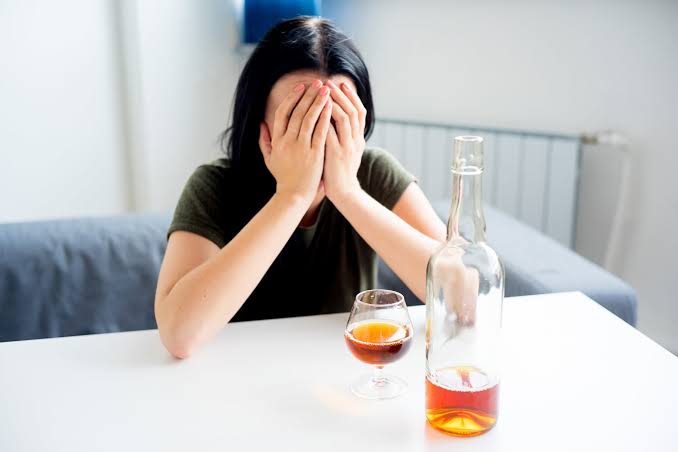
For some people, stopping drinking at home can be done safely. For others, especially people who drink heavily every day, it can be dangerous. The difference comes down to how much and how long someone has been drinking, their health, and whether they’ve had withdrawal before.
If you’re thinking about quitting on your own, it’s natural to want to keep it private and avoid the cost or disruption of treatment. Before you try, it helps to understand what alcohol withdrawal can do and when medically supervised alcohol detox is the safer choice.
Is It Safe to Detox from Alcohol at Home?
It depends. Someone who drinks lightly or occasionally usually won’t have serious withdrawal when they stop. Someone who has been drinking heavily for weeks, months, or years may.
When you drink regularly, your brain adjusts to the constant presence of alcohol. Take alcohol away suddenly and the nervous system can swing into overdrive. That rebound is what causes withdrawal symptoms, and in heavy drinkers it can become severe.
The bottom line: if you drink every day, drink large amounts, or have ever felt shaky or sick when you cut back, talk to a medical professional before you stop.
What Alcohol Withdrawal Can Feel Like
Symptoms often begin within hours of the last drink and tend to peak in the first few days, though they can last longer (1). Mild to moderate symptoms can include:
- Shaky hands or tremors
- Sweating and a racing heart
- Anxiety, irritability, or restlessness
- Nausea, vomiting, or loss of appetite
- Headache
- Trouble sleeping and vivid dreams
When Alcohol Withdrawal Becomes Dangerous
The biggest risks of detoxing at home are seizures and delirium tremens (DTs), the most severe form of alcohol withdrawal. DTs can cause sudden, severe confusion, hallucinations, fever, and seizures. They usually start two to four days after the last drink but can appear later, and seizures tend to happen earlier, often in the first 12 to 48 hours. DTs are a medical emergency that can be life-threatening and need hospital care (2).
Withdrawal can also get worse with each attempt to quit. Repeated withdrawals can make the next one more severe, a pattern known as the kindling effect. That’s one reason a past “easy” withdrawal doesn’t guarantee the next one will be safe.
Who Should Not Detox from Alcohol at Home
Detoxing at home is especially risky if you:
- Drink heavily every day, or have for months or years
- Have had withdrawal seizures, DTs, or hallucinations before
- Have been through withdrawal several times
- Also use benzodiazepines, opioids, or other drugs
- Have heart, liver, or other serious health problems
- Are pregnant
- Live alone or don’t have someone who can stay with you
If any of these apply, home is generally not the place to stop drinking.
Warning Signs That Need Emergency Care
Call 911 or go to the nearest emergency room if you or someone you’re with has any of these symptoms during alcohol withdrawal:
- A seizure
- Severe confusion or not knowing where they are
- Seeing, hearing, or feeling things that aren’t there
- A high fever
- A very fast or irregular heartbeat
Why Medical Detox Is Often the Safer Choice
In a medical detox program, staff monitor symptoms around the clock, can respond quickly if withdrawal becomes severe, and may use medications when clinically appropriate to keep you safe and more comfortable. Detox also gives you a plan for what happens next, which matters because detox treats withdrawal, not the reasons behind the drinking.
Medical detox doesn’t have to mean a long hospital stay. How long it lasts depends on your health, your drinking history, and how your body responds.
Frequently Asked Questions About Alcohol Detox at Home
Can You Die from Alcohol Withdrawal?
In rare but serious cases, yes. Severe withdrawal can cause seizures and delirium tremens, which can be fatal without treatment. That’s why heavy drinkers are usually advised to stop under medical supervision.
How Long Does Alcohol Withdrawal Last?
Symptoms often start within hours of the last drink and tend to peak over the next few days. Some symptoms, such as poor sleep and mood changes, can linger for weeks. Timelines vary from person to person.
Is Tapering Off Alcohol Safer Than Quitting Cold Turkey?
Cutting back gradually can lower the risk for some people, but it’s hard to do safely on your own and doesn’t remove the risk of severe withdrawal. A medical professional can tell you whether it’s a reasonable option for you.
What Should I Do If I Want to Stop Drinking but I’m Scared of Withdrawal?
Start by talking to a doctor or an alcohol detox program. They can assess your risk and recommend the safest way to stop, whether that’s outpatient support or medically supervised detox.
Talk with Sunrise Detox About Safe Alcohol Detox
If you’re ready to stop drinking but worried about withdrawal, you don’t have to do it alone. Sunrise Detox in Cherry Hill provides medically supervised alcohol detox, and our admissions team can help you understand your risk and your options.
Call (856) 276-0873 or verify your insurance to get started.
Sources