

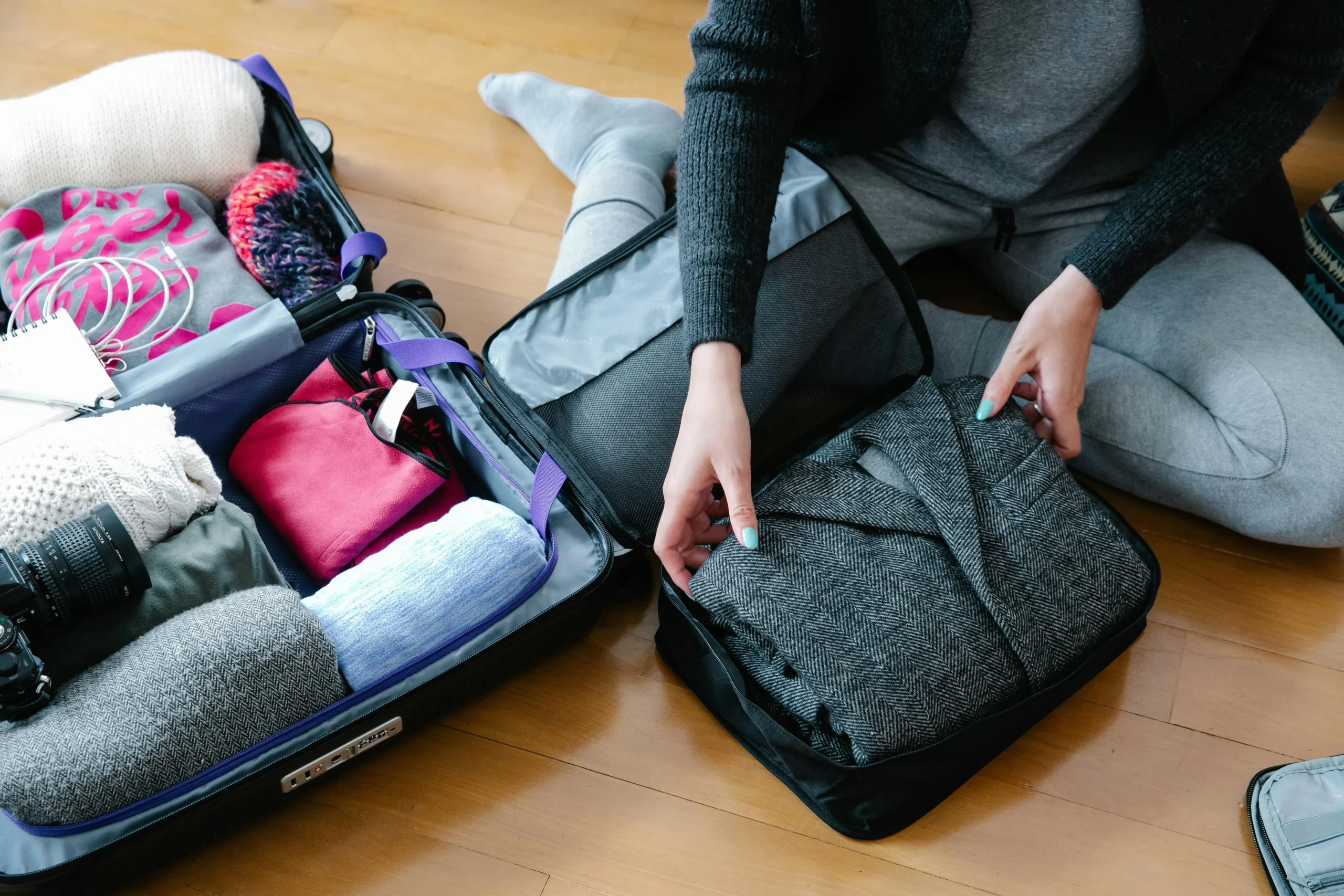
Deciding to go to rehab is a big step. Figuring out what to pack can feel like one more thing to worry about, especially if you are getting ready quickly. The good news is that you don’t need much. Most people do best with a small bag of comfortable, practical items.
This checklist covers what to bring to inpatient rehab, what to leave at home, and a few things to take care of before you go. Every program has its own rules, so use this as a starting point and confirm the details with the program before you arrive.
Before You Pack: Check the Program’s Rules
Rules about what you can bring vary from one treatment program to another, especially for phones, electronics, medications, and personal care products. Before you pack, ask the admissions team:
- Whether they have a packing list
- Their policy on phones, laptops, and other devices
- How medications should be brought and stored
- Whether there is laundry on-site
- Any items that are not allowed
What to Bring to Rehab
Documents and Essentials
- A photo ID, such as a driver’s license or passport
- Your insurance card
- A list of current medications, doses, and prescribing providers
- Prescription medications in their original, labeled pharmacy containers
- A list of important phone numbers, written on paper
- A small amount of cash or a debit card, if the program allows it
Clothing
- About a week’s worth of comfortable clothing
- Layers, such as a sweatshirt or light jacket, for changing temperatures
- Sleepwear and a robe
- Comfortable shoes, plus slippers or shower shoes
- Workout clothes and sneakers, if the program offers fitness activities
- Weather-appropriate outerwear
Toiletries
- Toothbrush and toothpaste
- Shampoo, conditioner, and body wash
- Deodorant
- Hairbrush or comb
- Any other daily personal care items
Many programs ask that toiletries be new, unopened, and free of alcohol. Products such as some mouthwashes, hand sanitizers, and aerosol sprays are often restricted.
Personal and Comfort Items
- A journal or notebook and pens
- A few books
- Photos of loved ones
- Envelopes and stamps, if you like writing letters
- Earplugs or a sleep mask
Phone and Electronics
Policies on phones and devices differ widely. Some programs collect phones at admission and allow use at set times, while others restrict them. If devices are allowed, bring your charger. Ask the admissions team before you arrive so you know what to expect.
What Not to Bring to Rehab
Most programs do not allow:
- Alcohol or drugs of any kind
- Medications that aren’t prescribed to you, or prescriptions that aren’t in labeled containers
- Products that contain alcohol, such as some mouthwashes, hand sanitizers, and perfumes
- Weapons, including pocketknives
- Expensive jewelry, valuables, or large amounts of cash
- Outside food or drinks
- Clothing with references to drugs, alcohol, or violence
If you aren’t sure about an item, leave it at home or ask first. Items that aren’t allowed may be held until you leave.
What to Bring Someone in Rehab
If you are visiting or sending something to a loved one in treatment, check the program’s rules first. Letters and cards are often welcome and can mean a lot. Comfortable clothing, books, or a journal may also be allowed. Avoid food, products that contain alcohol, and anything the program has listed as restricted.
Packing Tips
- Pack light: a single bag is usually enough
- Label your belongings: especially clothing and chargers
- Leave valuables at home: you won’t need them in treatment
- Bring your medication list: even if you are bringing the medications themselves
- Ask before you buy: confirm rules before shopping for new items
Preparing for Rehab Beyond Packing
A few practical steps can help you focus on treatment once you arrive:
- Talk with your employer or human resources about leave. Federal protections such as the Family and Medical Leave Act (FMLA) may apply.
- Arrange care for children or pets.
- Set up automatic payments or ask someone you trust to handle bills.
- Let a few close people know where you will be and how they can reach you.
Getting Ready for Residential Treatment in New Jersey
If you are preparing for residential treatment in New Jersey at Sunrise Detox II Residential Treatment in Stirling, our admissions team can tell you what to bring and what to leave at home. You can also learn more about the admissions process.
Frequently Asked Questions About What to Bring to Rehab
What Are You Allowed to Bring to Rehab?
Most programs allow comfortable clothing, basic toiletries, identification, insurance information, prescribed medications in labeled containers, and a few personal items such as books or a journal. Specific rules vary, so check with the program before you arrive.
Can I Bring My Phone to Rehab?
It depends on the program. Some allow phones at certain times, while others limit or hold them during treatment. Ask the admissions team about their policy.
Can I Bring My Medications to Rehab?
Usually, yes, if they are prescribed to you and in their original, labeled pharmacy containers. Staff will typically review and store your medications. Bring a written list of everything you take.
Should I Bring Money to Rehab?
You usually won’t need much, if any. Some programs allow a small amount of cash or a card for incidentals. Leave large amounts of cash and valuables at home.
Have Questions Before You Arrive?
Our admissions team can help you prepare, answer questions about what to expect, and explain your coverage.
Call (856) 276-0873 or verify your insurance to get started.