

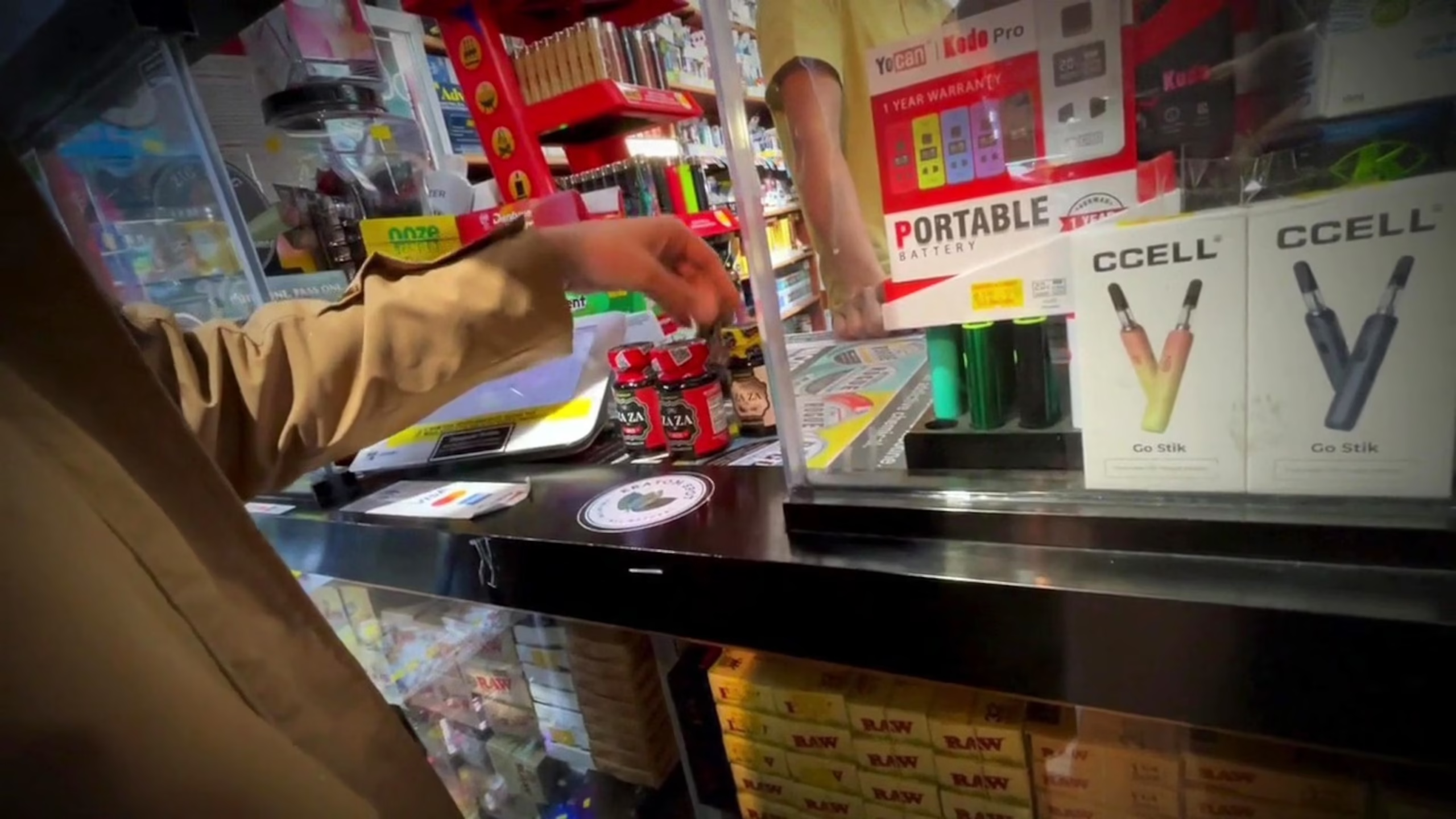
Products sold at gas stations can seem harmless because they are easy to buy. However, some carry serious risks for misuse, dependence, and withdrawal. “Gas station heroin” commonly refers to products containing tianeptine, a substance that can produce opioid-like effects. Regular use can lead to cravings, physical dependence, and uncomfortable withdrawal symptoms. Mixing these products with other substances can also increase the risk of dangerous complications. If stopping has become difficult, professional support can help you take the next step safely. A heroin detox program may offer appropriate support when opioid use or other substances are also involved.
What Is Gas Station Heroin?
“Gas station heroin” is a slang term people use for products that are often sold in gas stations, smoke shops, and convenience stores and marketed as legal ways to relax or feel better. In many cases, the substance being described is tianeptine. It is not heroin, but the nickname exists for a reason: some people report opioid-like effects, and some people develop dependence that can be hard to stop on their own.
That makes this topic more serious than the name suggests. Products sold over the counter can feel safer than street drugs or prescription misuse, but that sense of safety can be misleading. Ingredients may vary, labels may be incomplete, and repeated use can lead to physical dependence, cravings, and withdrawal.
If you are worried about your own use or a loved one’s use, the important question is not whether the product came from a gas station. It is whether the pattern of use has started to affect health, behavior, or daily life. When that happens, professional help may be the safest next step. Sunrise helps people across New Jersey understand whether detox or residential treatment may be the right fit.
Why People Use the Term “Gas Station Heroin”
People use the term “gas station heroin” because some products can cause unexpectedly strong sedation or euphoria. The nickname sounds dramatic, but it highlights a serious concern. Products sold in everyday stores can still lead to misuse, dependence, and withdrawal.
The term also draws attention to how easily people can buy these products. Easy access may create the impression that a product is regulated, mild, or safe. However, retail availability does not guarantee safety. Taking large amounts or using these products frequently can increase the risks. Combining them with alcohol, medications, or other substances can also cause dangerous effects. Risks may increase further when someone uses these products to cope with stress, pain, or withdrawal.
What Substance Is Usually Being Described?
In many news stories and health discussions, “gas station heroin” refers to tianeptine. Tianeptine is a substance that has been sold in certain supplements or convenience-store products under a range of brand names. It is not approved in the United States as an over-the-counter medication, and it can affect the brain in ways that make misuse risky.
One reason it gets so much attention is that it may act on opioid receptors. That does not make it identical to heroin or prescription opioids, but it helps explain why some people report opioid-like effects and why some people struggle when they try to stop. Even when a product is marketed as a mood booster or wellness aid, that marketing does not tell you much about its actual risk.
Why Gas Station Heroin Can Be So Dangerous
One of the biggest dangers is inconsistency. With unregulated or loosely regulated products, people may not know exactly what they are taking, how much they are taking, or whether the product contains other ingredients that increase risk. That uncertainty matters even more when the substance is taken often or in large amounts.
There is also the risk of dependence. Some people start using these products casually, then notice they need more to get the same effect or feel unwell when they stop. That shift can happen faster than expected. What looked like a short-term experiment can become a cycle of use, withdrawal, and re-use.
The danger rises when gas station heroin is mixed with alcohol, opioids, benzodiazepines, or other sedating substances. Combinations like that can increase the risk of breathing problems, extreme sedation, confusion, and medical emergencies. If use has gotten to that point, detox may be the safest way to begin getting stable again.
Signs Someone May Be Misusing It
The signs are not always obvious at first. Someone may seem unusually tired, detached, moody, nauseated, or mentally foggy. They may start taking more than intended or planning their day around using the product. In some cases, they become defensive when asked about it or minimize how often they are taking it.
Over time, the pattern may start to affect work, school, family life, or finances. You might notice changes in reliability, increased secrecy, failed attempts to stop, or repeated promises that things are “under control” even when they clearly are not. Loved ones often sense that something is wrong before they know exactly what the substance is.
If you are trying to make sense of those changes, family-focused resources such as support for families can help you think through what to watch for and how to respond without making the situation worse.
Can Gas Station Heroin Cause Withdrawal?
Yes, it can. People who use tianeptine or similar products regularly may develop withdrawal symptoms when they cut back or stop. The exact symptoms vary, but people commonly report anxiety, agitation, sweating, nausea, body aches, sleep problems, and strong cravings. For some, the emotional distress is just as intense as the physical symptoms.
That is one reason quitting alone can be harder than people expect. A person may genuinely want to stop, but once the symptoms begin, they may feel desperate for relief. That often pulls them back into the same cycle. Withdrawal can also be more complicated when the person is using other substances at the same time or has underlying mental health concerns.
Articles like withdrawal symptoms can help explain the broader idea of withdrawal, but they are not a substitute for an individual assessment when symptoms are intense or a person is struggling to stop repeatedly.
When Detox or Residential Treatment May Be Appropriate
Detox may be appropriate when someone is physically dependent, has significant withdrawal symptoms, is mixing substances, or has tried to quit and cannot stay stopped long enough to get through the first stage safely. In those situations, medical monitoring and support can reduce risk and help stabilize the person before the next step in care.
Residential treatment may be appropriate when the problem goes beyond the physical withdrawal period. If someone needs more structure, more time away from triggers, or more support around relapse, mental health, or daily functioning, a residential setting can provide that next layer of care. Detox helps people get through acute instability. Residential care can help them stay engaged once they are clear enough to do the deeper work.
The right answer depends on the full picture, not just the substance itself. Sunrise helps people across New Jersey figure out whether they need short-term stabilization, ongoing structured treatment, or both.
How Sunrise Can Help You Find the Right Level of Care in New Jersey
If you are worried that gas station heroin use has become more than a bad habit, it is worth reaching out sooner rather than later. You do not need to have everything figured out before you call. Sunrise can help you talk through what is happening, what symptoms are showing up, and whether detox or residential treatment may make the most sense.
You can contact Sunrise directly or verify your insurance to take the next step. For many people, the hardest part is not treatment itself. It is admitting the situation has changed and asking for help before it gets worse.